COP31 Opens With Electrification Goal and Unresolved Questions on Climate Finance
Climate Science Climate & Capital Team 339 reads
Türkiye and Australia are seeking support for a higher electricity share by 2035, while adaptation finance and a fair transition remain central challenges.
Electrification is emerging as a practical measure of ambition at COP31: Türkiye and Australia want countries to support raising electricity’s share of final energy use from about one-fifth today to one-third within ten years. The proposal puts power grids, electric transport, heating and industrial energy at the center of the summit’s early discussions. Whether it can gain broad support—and whether finance can reach communities facing the greatest climate risks—will test how far the talks can turn shared goals into workable plans.
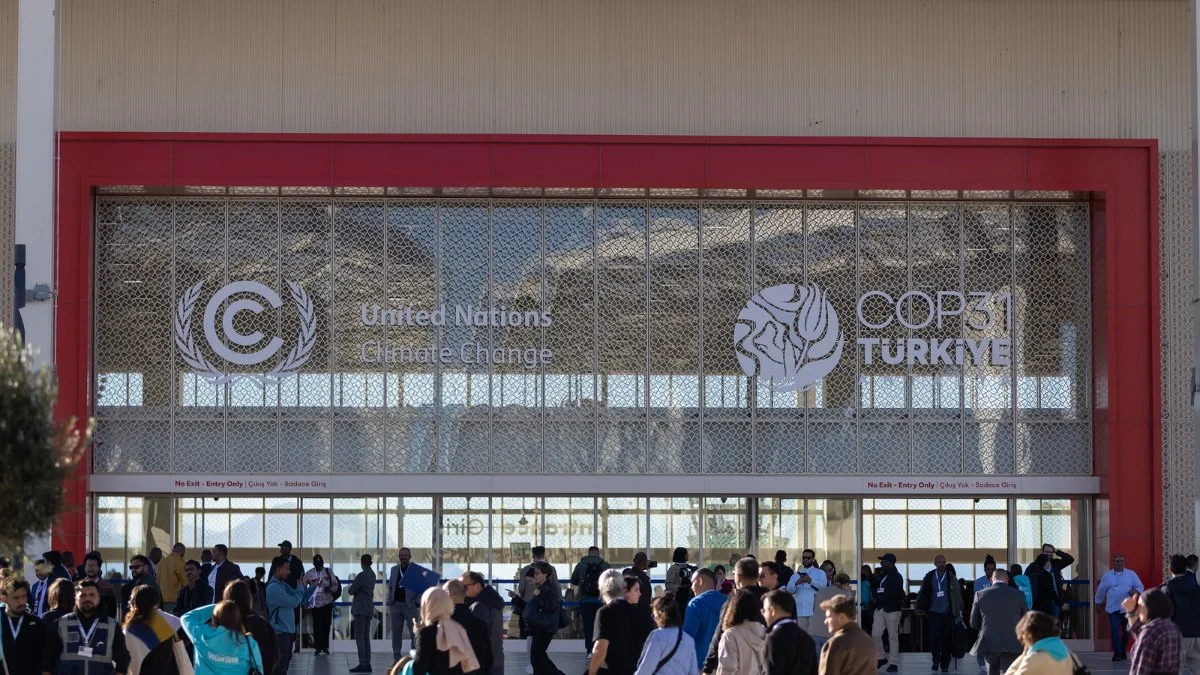
The summit opened on Monday, November 9, in Antalya, Türkiye, and is scheduled to run through November 20. Türkiye’s Murat Kurum is presiding as COP President, with Australia’s climate and energy minister, Chris Bowen, leading the negotiations. The opening day passed without a dispute over the agenda, leaving delegates more room to address the harder questions of financing adaptation and shifting energy systems.
Electrification as a demand signal
The proposed goal would increase electricity’s share of the energy used worldwide from roughly 20% to a third over the next decade. Earlier briefings described a related benchmark of 35% by 2035. The International Energy Agency’s Fatih Birol backed a 2035 target, saying it would send an “unmistakable signal to markets.” The proposal is voluntary, but a shared target could still give energy planners and businesses a clearer indication of where demand may grow.
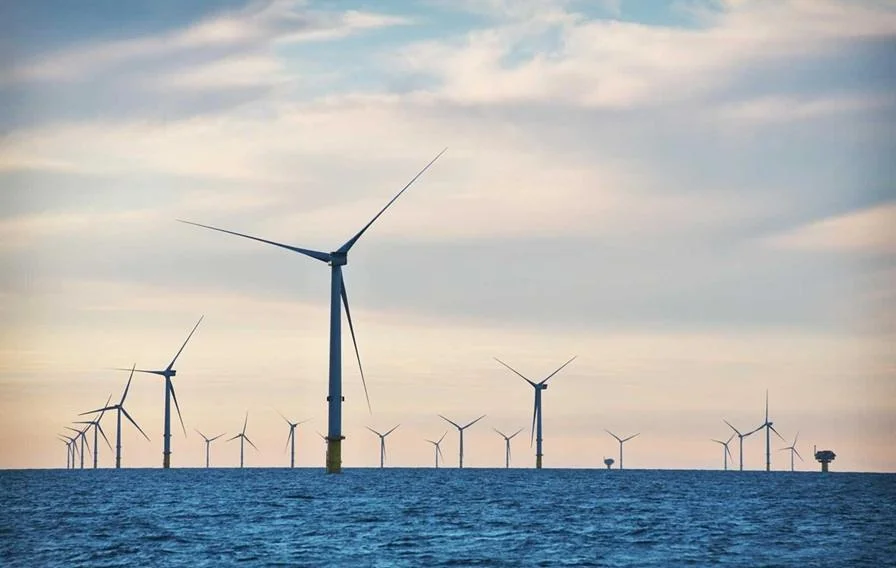
Electrification connects a broad set of practical investments: expanding and upgrading grids, installing heat pumps, switching vehicles to electric power and supplying industrial processes with electricity. Progress depends on more than the target itself. Power systems need enough generation and grid capacity to serve new loads reliably, while businesses and households need equipment they can access and afford. The summit’s proposal gives these linked changes a common measure, though the opening discussions don’t settle how each country will deliver them.
Supporters frame the goal as a next step after the 2023 pledge to triple renewable capacity. Birol also said it could make room for more nuclear power. That combination points to a wider challenge in the transition: electricity demand is expected to grow as transport, buildings and industry shift away from direct fuel use, and supply must expand to meet it. The mix of technologies will differ across countries, as will the investment needed for grids and new generation.
Finance remains a test of trust
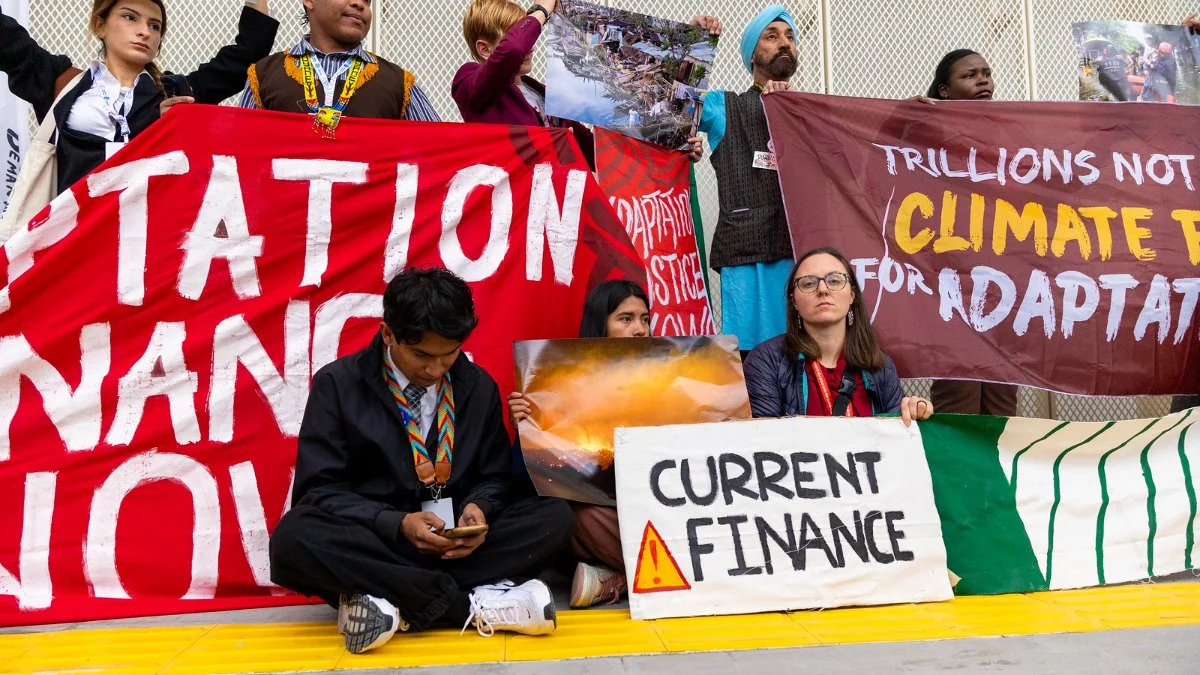
Adaptation finance was among the issues raised before the summit began. African countries had sought additional agenda items on adaptation funding and trade, while Nepal had asked for formal discussions on mountains after deadly floods. Kurum said on Monday that the disagreements had been settled over the weekend. Resolving the agenda questions early helped open negotiating time, but it didn’t answer the underlying need for finance to prepare for climate impacts and protect vulnerable communities.
Small island developing states receive only a share of the climate finance available for adaptation, Bowen said. These countries face particularly high exposure to rising seas and other climate risks, while often having limited resources to prepare. Adão Soares Barbosa, chair of the group of 44 least-developed countries, said finance for climate action, adaptation and loss and damage was “not a political choice but a matter of survival.” The remarks set out a central tension for the summit: countries can agree on goals, but the scale and accessibility of funding shape whether communities can act on them.
The two COP31 presidencies have also named a “just transition” mechanism among their priorities. The Belém-Antalya mechanism was agreed in principle at COP30 to support workers and communities as economies move away from fossil fuels. Countries still differ over what it should do and how it should be financed. Its practical value will depend on whether it can connect broad commitments to support for people and places affected by changing energy systems.
Fossil fuel plans face a credibility test
Australia’s role in the negotiations draws attention to the gap between its energy transition at home and its position as a major exporter of fossil fuels. The country is the world’s second-largest exporter of power-station coal, the largest exporter of steelmaking coal and supplies about one-fifth of global liquefied natural gas exports. Those fuels are expected to bring in about US$98 billion for Australia in the current financial year, according to reporting cited around the summit.
More than 500 mostly Australian scientists wrote to Prime Minister Anthony Albanese before the talks, warning that continued coal and gas expansion undercuts the country’s credibility in international climate discussions. Bowen has pointed to Australia’s shift away from coal-fired power at home. The two facts describe different parts of the energy system: domestic power generation can change while exports remain large. That tension may limit how strongly Australia can press for a faster move away from fossil fuels, especially when the negotiations require agreement among countries with different energy interests.
At COP30, many countries sought a roadmap for moving away from fossil fuels in the summit’s final agreement, but the proposal did not secure agreement. Brazil subsequently launched its own roadmap in Brasília on November 3. It asks countries to assess their dependence on fossil fuels and sets out suggested measures in three phases through 2033. France, the Netherlands and Germany have also prepared national roadmaps. The Brazilian plan is not on COP31’s formal agenda, but it gives countries a separate way to describe how they might reduce that dependence.
Fossil fuels account for about 75% of global emissions, according to Climate Analytics’ Bill Hare. If the summit’s formal discussions do not set out a shared route away from them, voluntary national plans and their financing will be important signals to watch. Their strength will depend on whether stated measures translate into credible projects and a clear pace of change.
What the opening day leaves to resolve
The opening brought a warning from UN climate chief Simon Stiell about the effects of high fossil fuel prices. He said the price shock was “hitting households hard and spreading inflation like a cancer,” while vulnerable communities were already paying the price of global heating. His remarks linked energy costs with climate exposure: households can face pressure from volatile fuel prices even as communities contend with rising climate risks.
The early agenda now brings together three connected questions: how quickly electricity use can grow, who will pay for adaptation and transition support, and whether countries can set out credible plans to reduce fossil fuel dependence. The proposed electricity goal offers a concrete yardstick for the first. The discussions on climate finance and the Belém-Antalya mechanism will show whether the summit can also make progress on the resources and support needed to put the transition within reach.
Tuesday is dedicated to energy and transport, with more than 40 summit sessions featuring electrification in their titles. Those discussions should offer an early indication of whether the proposed goal can move from a headline number toward a shared approach to grids, clean power and end-use technologies.