Inox Solar Americas Targets Q2 2027 Start for 3 GW North Carolina Solar Cell Plant
Climate Science Martin McConnell 569 reads
A planned 3 GW cell plant in Greenville would connect Inox’s U.S. cell and module production and give customers more visibility into product origins.
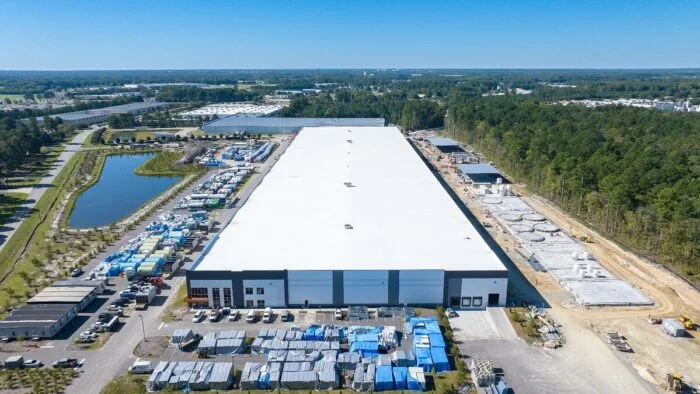
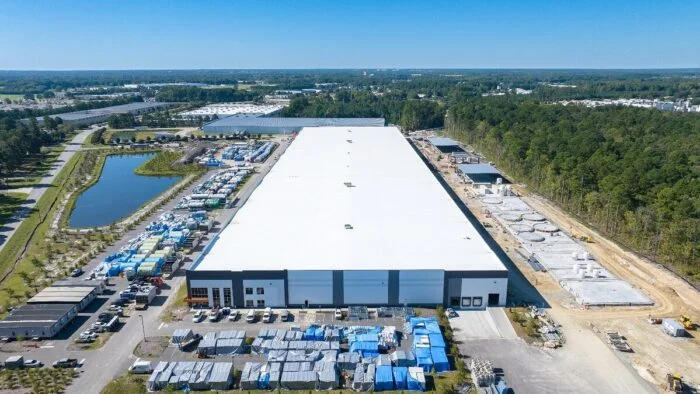
Inox Solar Americas is targeting the second quarter of 2027 to start production at its planned solar cell factory in Greenville, North Carolina. With annual capacity of 3 gigawatts, the facility would add a domestic cell source to the company’s existing module manufacturing, linking two stages of solar panel production within its U.S. operations.
The planned factory covers 515,460 square feet. Its significance will depend on more than the nameplate capacity: production needs to come online, meet quality expectations and coordinate with module output before customers can rely on it for projects. The company has identified Q2 2027 as its anticipated operational date, with deliveries expected to begin shortly afterward.
Connecting cell and module production
Solar cells convert sunlight into electricity and are assembled into modules, the panels used in solar installations. Inox says the Greenville plant’s photovoltaic cells will complement its existing module manufacturing. The company plans to pair its Galaxion-brand cell technology with its Gamma Series monofacial modules and Vega Series bifacial modules.
That arrangement could give Inox greater control over how cells and modules are made and documented across its production platform. For customers, a closer connection between these steps may make it easier to track product origins and coordinate supply. Those advantages depend on the factory achieving its planned output and maintaining consistent production once operations begin.
Inox describes the facility as a central part of its effort to build a vertically integrated U.S. solar manufacturing platform. It says the broader aim is to increase domestic content across its portfolio and provide customers with more access to U.S.-made solar technology. The company also points to supply-chain transparency and resilience as goals of the investment.
Traceability matters alongside capacity
Inox says the factory is intended to help the company and its customers respond to domestic-content requirements, including considerations related to Foreign Entities of Concern and Prohibited Foreign Entities. The company says these requirements continue to change. It is therefore preparing supplier qualification processes, records of component origin, material traceability and production documentation to show where and how products are made.
That work is a practical part of qualifying a solar supply chain. A factory’s location alone does not establish the origin of every component used in a finished module. Customers seeking documented product origins need records that follow materials through suppliers and manufacturing stages. Inox says it is strengthening supply-chain due diligence to provide that visibility.
The company also says domestic cell production is intended to reduce reliance on imported photovoltaic cells, limit exposure to international supply interruptions and trade-related risks, and improve product availability for U.S. project pipelines. These are stated aims rather than guarantees: a domestic factory still depends on reliable inputs, successful production and the ability to deliver at the required pace.
What to watch before deliveries begin
The key milestones are whether construction and commissioning keep the project on schedule, whether the plant reaches production at its planned scale, and how quickly cell output can be matched with module manufacturing. The timing of initial deliveries will also show how the new capacity feeds into customer supply.
For project developers and other buyers, the value of the Greenville facility will rest on both product availability and the supporting documentation. Inox says its U.S. manufacturing platform will combine cell technology, module production and quality control. If the plant operates as planned, the company will have more stages of production under its control and customers will have a domestic source of cells tied to its module lines.
The Q2 2027 target puts a date against that plan. The next measure will be whether the factory turns its proposed 3 GW of annual capacity into dependable cell production and deliveries shortly after startup.